The Church (1965)
where the past still watches
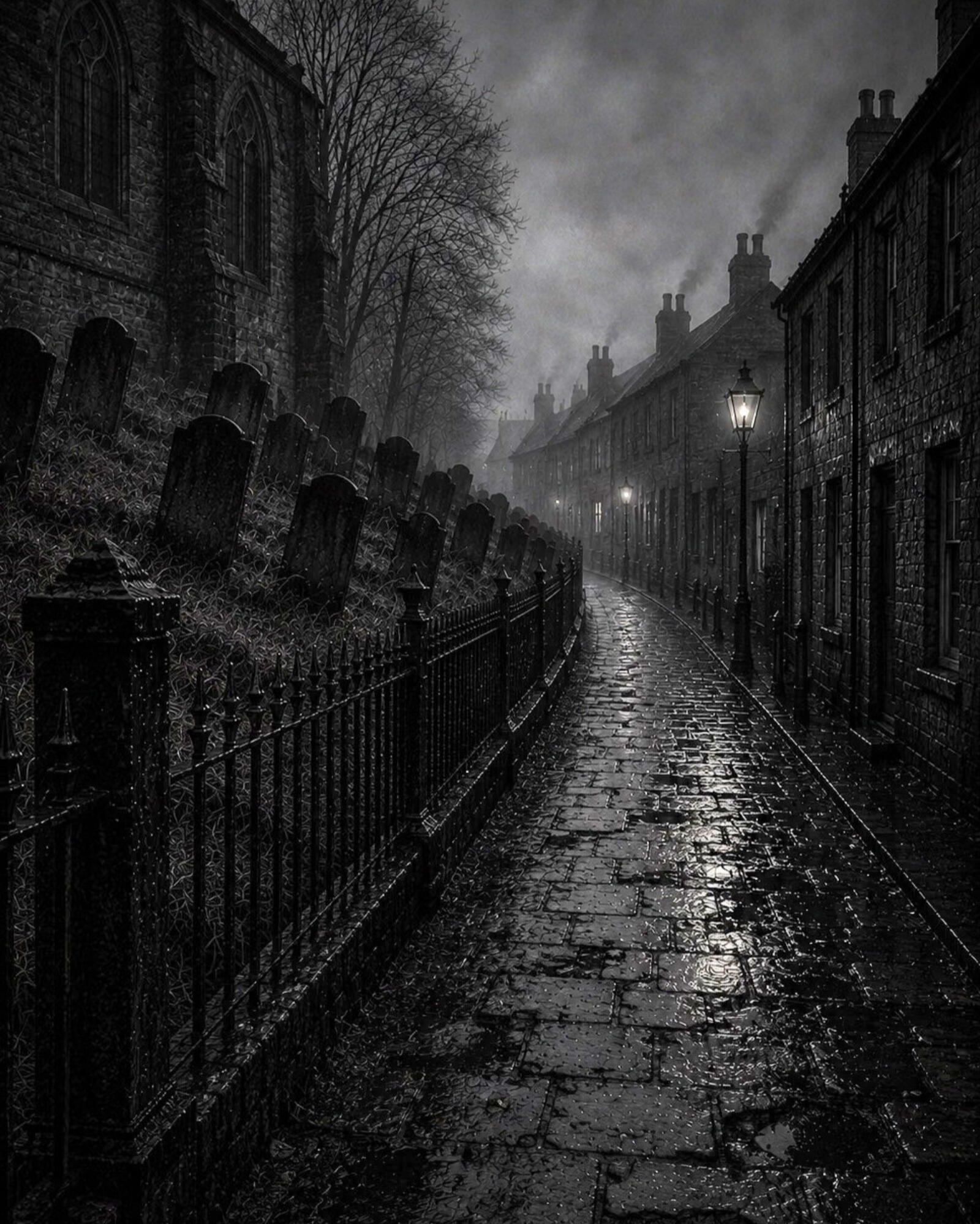
Released in 1965, The Church was set around a large parish church standing at the centre of a tightly packed northern neighbourhood. Its doors opened every day for weddings, funerals, services and private visits, but the film suggested that the building’s influence extended well beyond its walls. The surrounding streets were shaped by its bells, its graveyard and the routines of the people who lived in its shadow.The story followed several residents whose lives crossed through the church over the course of a single week. A grieving widow returned to arrange a funeral, a teenage couple began meeting in the churchyard and an ageing caretaker quietly observed the arguments, reconciliations and departures taking place around him. Gradually, it became clear that the community was carrying an old secret connected with the disappearance of a local girl years earlier.Rather than presenting the church as a place of comfort, the film treated it as a powerful presence: solemn, watchful and impossible to escape. Its dark stone, bare trees, iron railings and rain-slicked streets gave The Church a severe visual character, while the fragmented structure allowed the truth to emerge through overheard conversations, repeated encounters and memories that refused to remain buried.
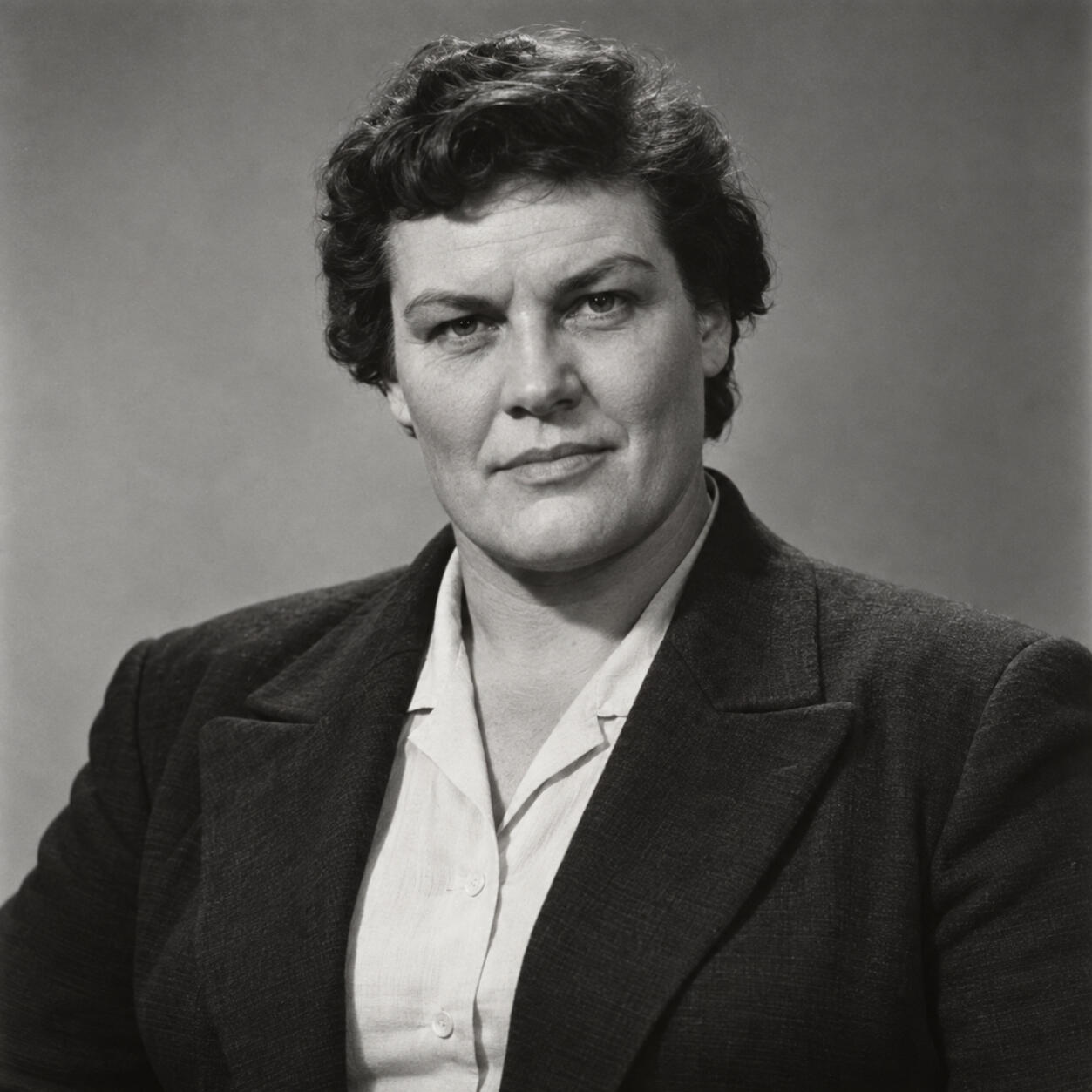
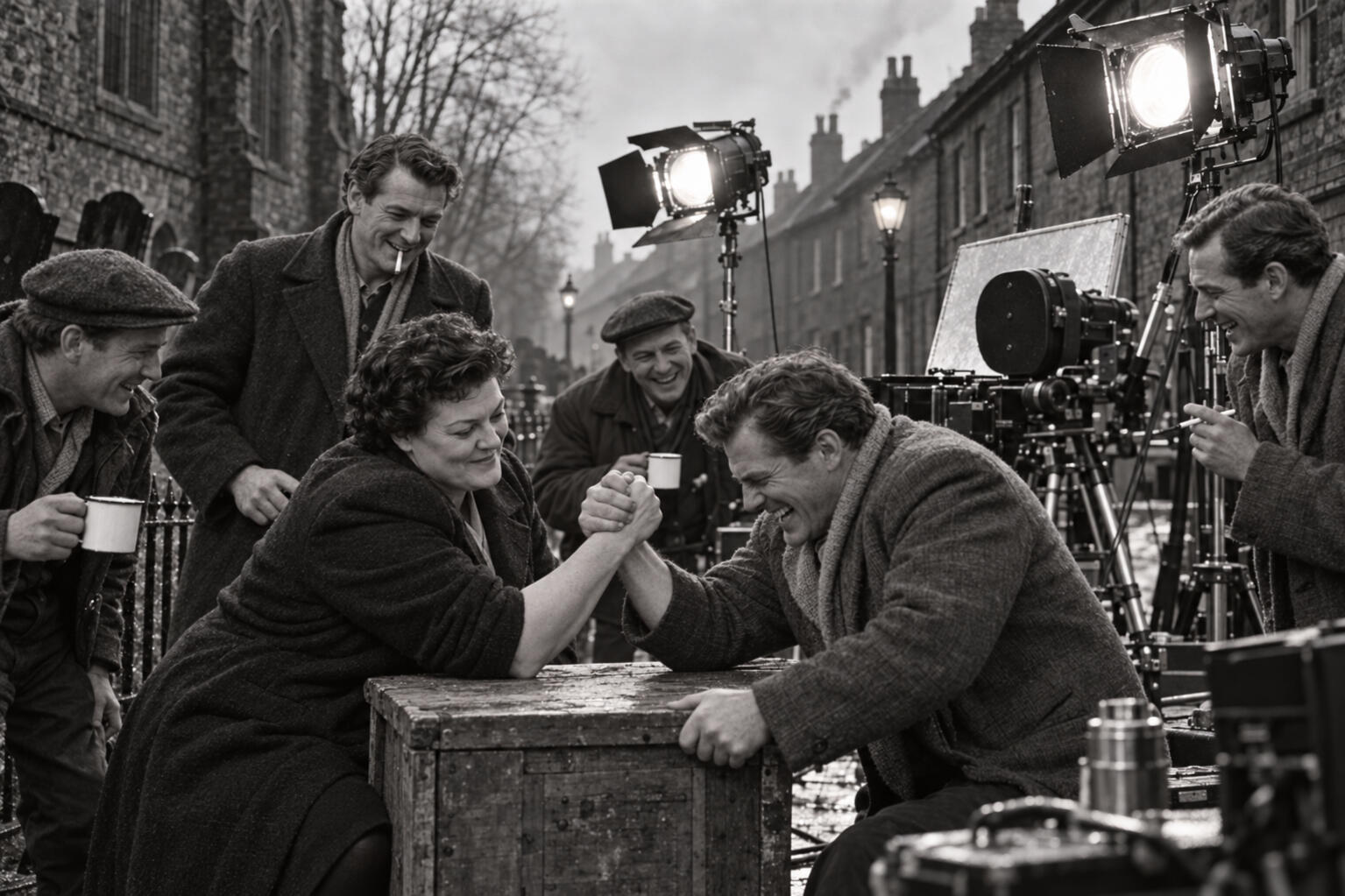
Gladys Fripp (1921–1989)Gladys was 44 when she played the central role in The Church. Born in Sheffield to Welsh parents, she began her career in repertory theatre before moving into British television and minor supporting roles in cinema during the 1950s. Her performances were noted for their restraint, particularly in parts that required authority without sentimentality.In The Church, Fripp played Margaret Vale, a recently widowed woman returning to the parish where she had spent most of her life. She gave the character a quiet, watchful quality, allowing the film’s tension to emerge through small gestures and unfinished conversations rather than dramatic speeches.Fripp continued working in television and theatre throughout the 1970s, although she appeared less frequently on screen.Her secret talent was arm wrestling, and she was capable of beating almost anyone—including most of the men at the studio. Gladys attributed her remarkable strength to helping her father carry stock into their corner shop every morning before school.She died unexpectedly in 1989, aged 68. After retiring to the Yorkshire countryside, she enjoyed brisk walks across the fields to her local pub, The Apprentice, where she would have a pint and challenge anyone game enough to an arm wrestle. Tragically, she was crushed to death by a herd of cows on her way home one evening.
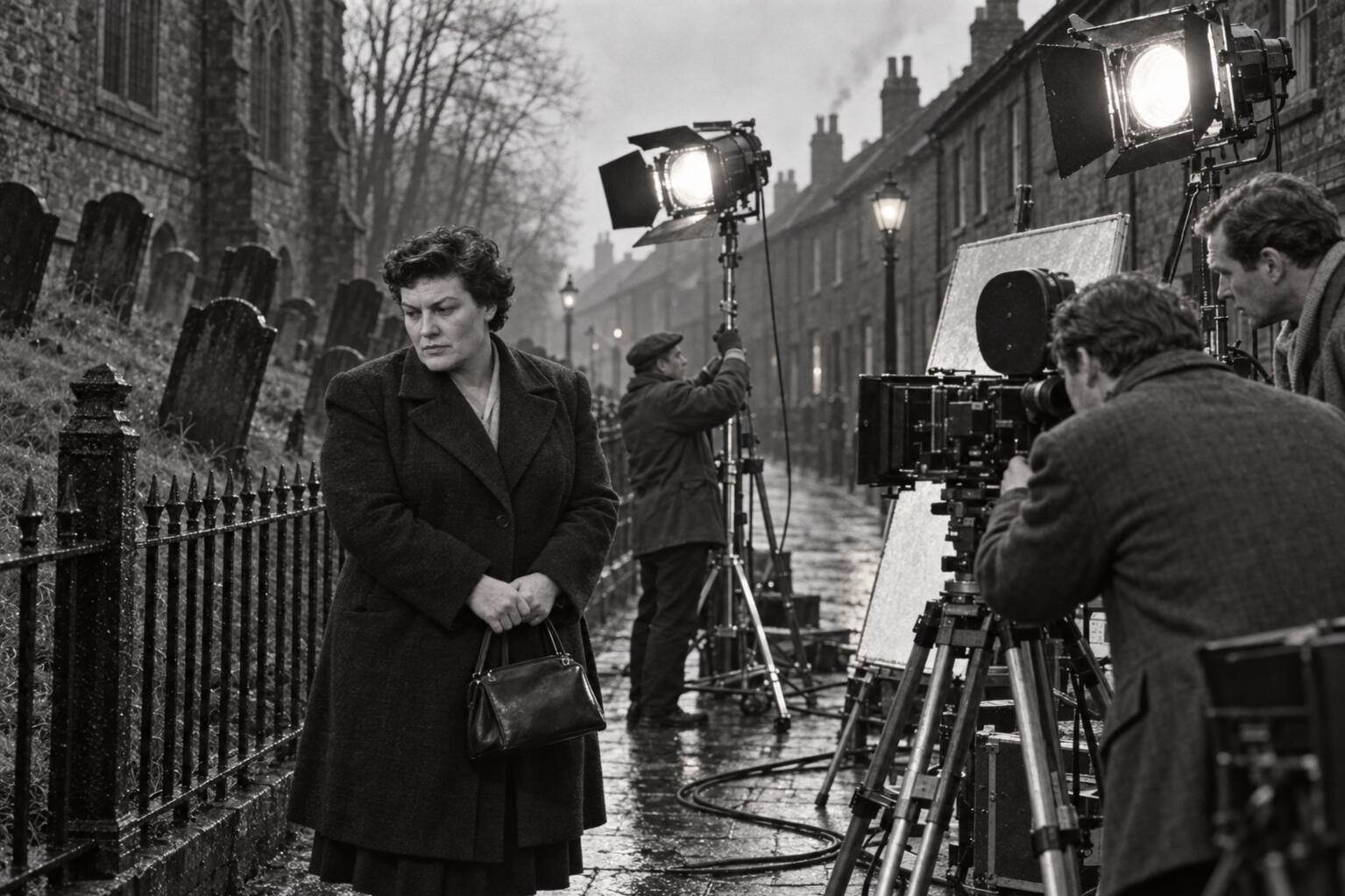
The Church reimagined through a Northern Deco lens, reducing its gothic architecture, iron railings and rain-darkened street to a composition of sharp planes, repeated verticals and dramatic geometric shadows. The church and surrounding terraces become part of one continuous structure, with the pavement leading the eye into the distance beneath a sequence of glowing street lamps.A restrained palette of charcoal, slate, muted olive and warm amber gives the print the atmosphere of a northern evening, while the hard-edged forms bring the image closer to architectural illustration than conventional landscape art. It is an artwork about place, pattern and atmosphere - where the familiar street becomes strangely monumental.Available exclusively through FCSF, this artistic interpretation is available unframed on 240 gsm art paper and measures 16 x 20 inches.
What did the critics think?
Critics were divided by The Church. Some admired its severe atmosphere and Gladys Fripp’s controlled performance, while others felt that the film’s deliberate pace and refusal to explain every mystery made it unnecessarily remote.The Manchester Evening Chronicle described it as “a brooding, beautifully observed study of a town unable to escape its own past.”The film’s visual style attracted the strongest praise. Several reviewers noted its striking use of stone, railings, bare branches and reflected lamplight, while the more geometric passages were considered unusually bold for a British provincial drama.Although The Church was not a major commercial success on release, its reputation grew over time, and it is now regarded as one of the more distinctive northern films of the mid-1960s.
From the archive
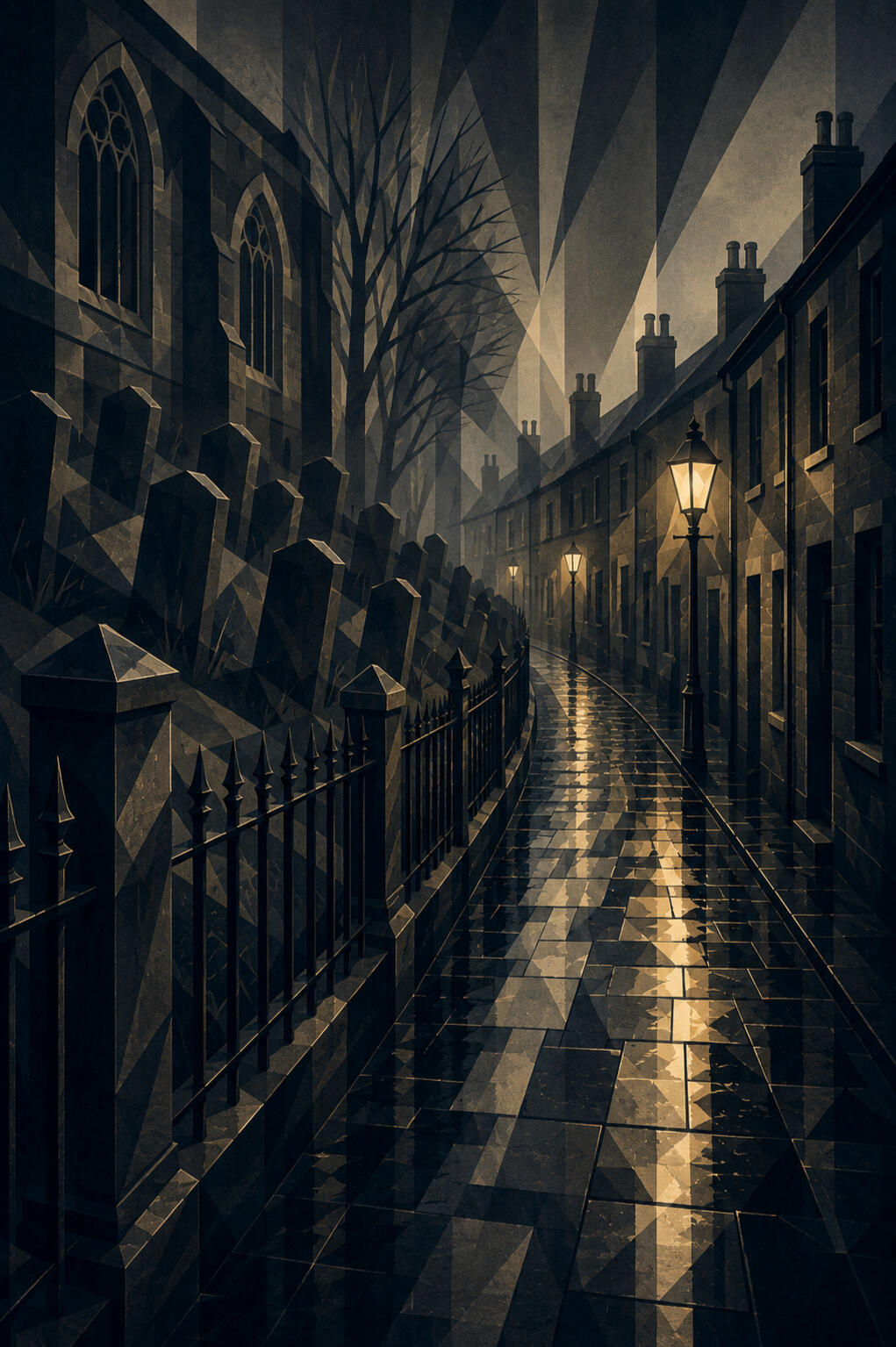
The surviving archive for The Church is unusually atmospheric. Alongside the original press stills are location photographs showing the churchyard, surrounding terraces and the narrow streets used during filming.Several production notes refer to the importance of rain, reflected light and the changing appearance of the church throughout the day.The archive also contains a short interview with Gladys Fripp, recorded during the film’s release.She described the production as “quiet work, but never easy work,” recalling the cold locations and the difficulty of filming among the gravestones after dark.Although much of the original publicity material has been lost, the surviving photographs, reviews and correspondence reveal a film that was carefully constructed around place and mood rather than conventional suspense.
Publicity shot from the archive
The artwork of Reg Baines
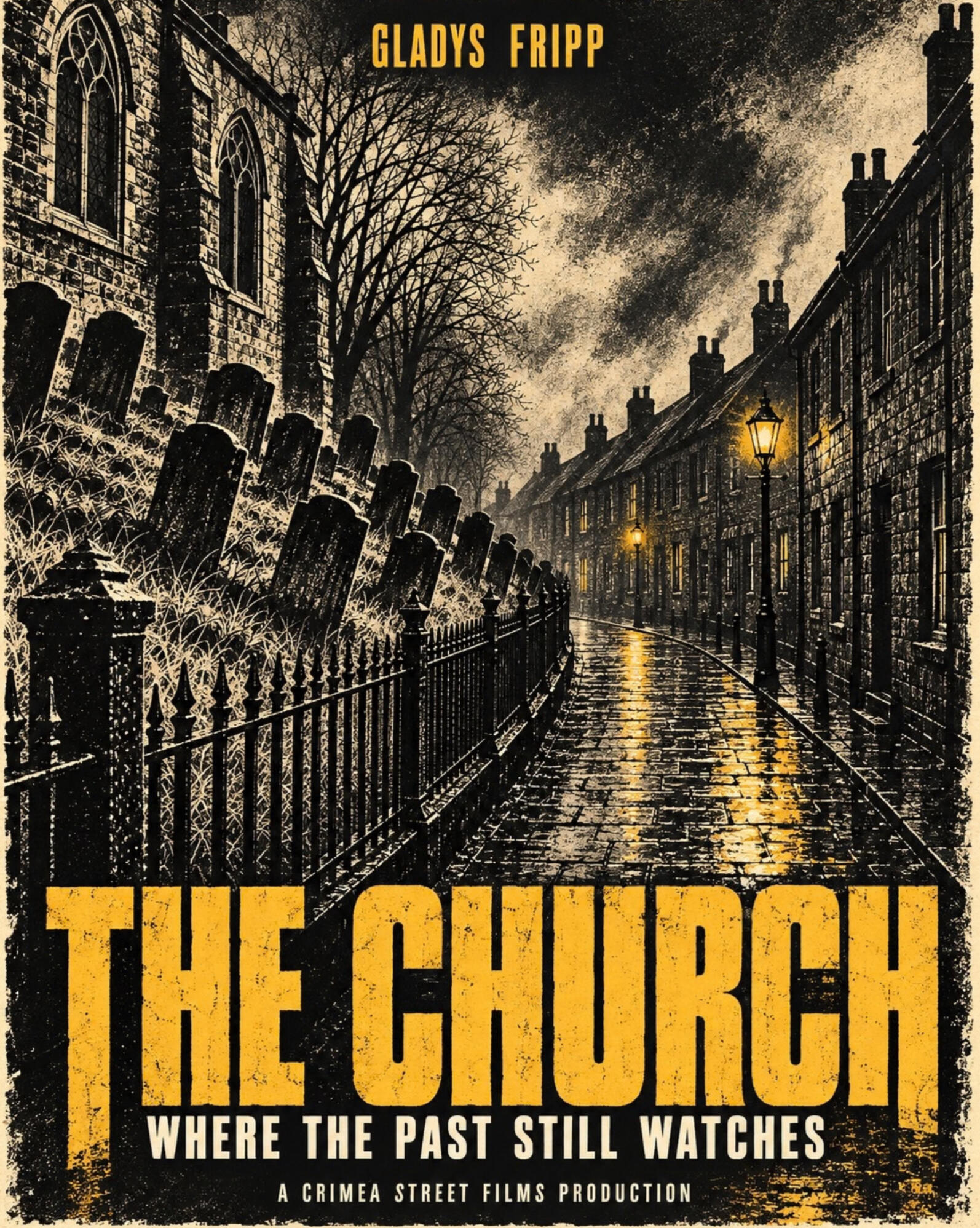
The original posters created by Reg Baines are synonymous with the studio and are very much part of its history.They would have been seen throughout the North of England outside cinemas, on hoardings and in places such as train stations.Most of them were damaged in a fire at the studio in late 1966, but we are delighted to now work with Parbold based artist, Brian Astley.He has faithfully reproduced each poster to a standard that our Reg would have been proud of and each one is available unframed on 240 gsm art paper as a 16 x 20 inch homage to the films we celebrate.